-
I draw on a small number of evidence-based approaches, which I bring together flexibly depending on what each client needs. Underneath all of this, my work is trauma-informed and adapted appropriately for autistic clients and clients with ADHD.
-
Person-centred counselling is at the heart of my practice. This means that you, the client, lead the direction and pace of our work together. Rather than me diagnosing or directing you towards particular solutions, I offer a relationship built on empathy, genuineness, and unconditional positive regard, a space where you can feel truly heard and accepted without judgement.
My role is to support you as you find your own way toward clarity, growth, and change.
-
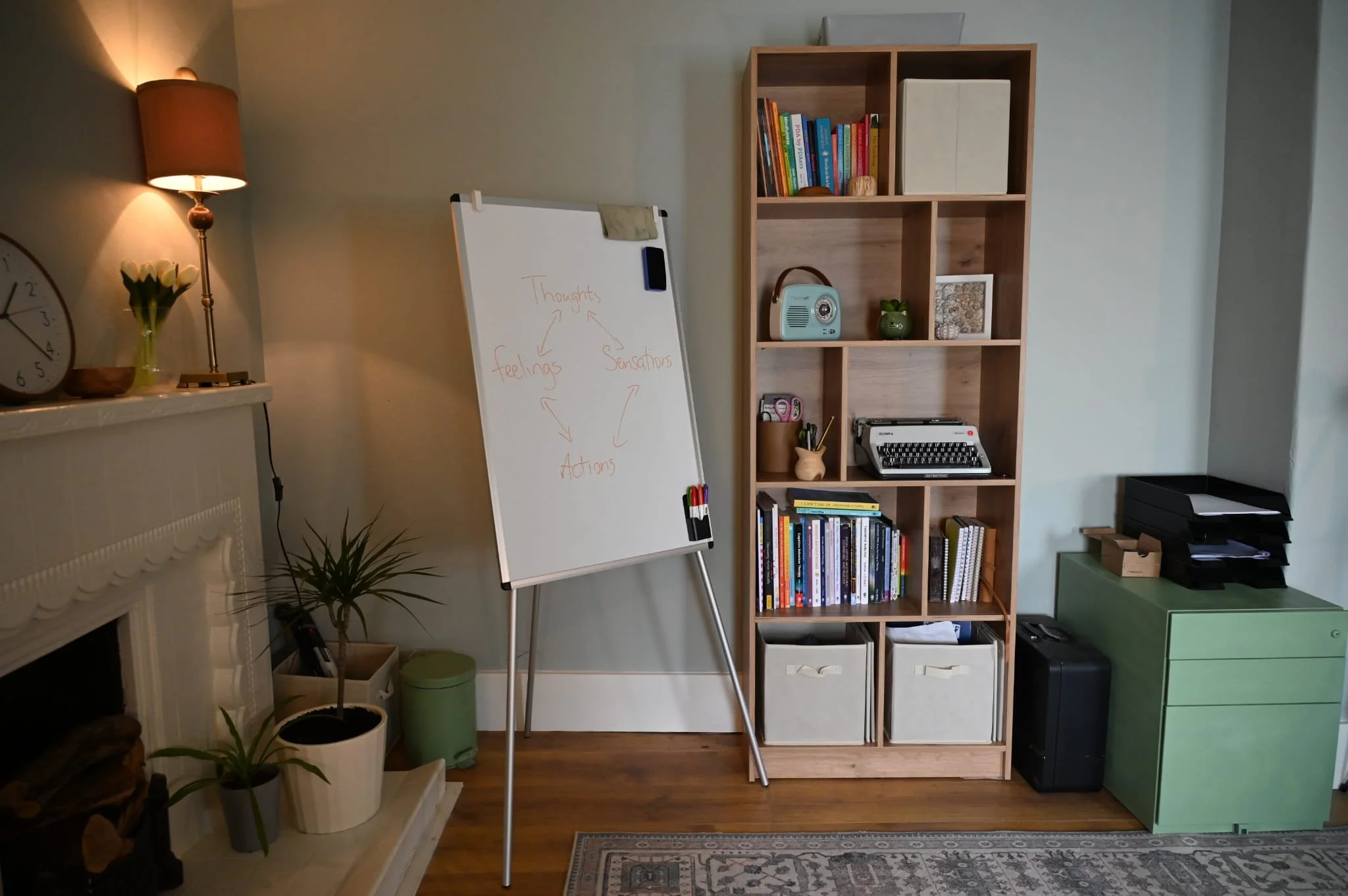
Alongside the person-centred foundation, I draw on techniques from Cognitive Behavioural Therapy (CBT) where they are helpful. CBT looks at the connections between our thoughts, feelings, and behaviours, and offers practical tools for noticing unhelpful patterns of thinking and gently shifting them.
These techniques can be useful for you if you want a more structured, skills-based element to the work, alongside the relational safety of a person-centred approach.
-
I also integrate elements of Compassion-Focused Therapy (CFT) into my work. CFT was developed to help people who struggle with high levels of shame, self-criticism, or a harsh inner voice.
It draws on our understanding of how the brain responds to threat, and offers ways to cultivate a genuinely kinder, more compassionate relationship with yourself.
-
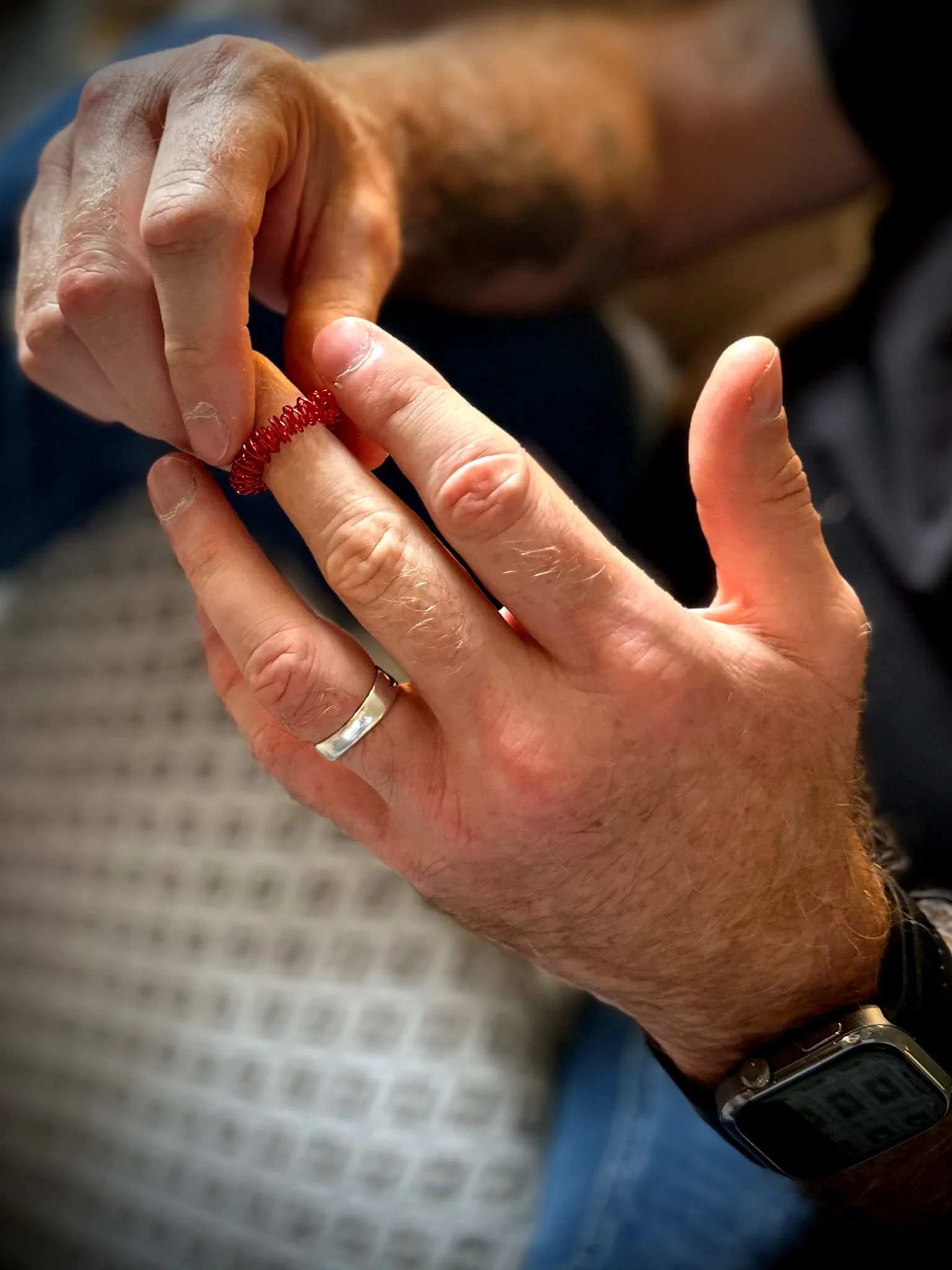
Mindfulness-based techniques also form part of how I work, helping you build a greater sense of awareness and acceptance of your present-moment experience, including difficult thoughts, emotions, and bodily sensations.
These skills can be a valuable resource for managing anxiety, stress, and overwhelm.
-
Across all of this, my practice is trauma-informed. This means I understand how past experiences can shape a person's nervous system, relationships, and sense of self, and I take care to work at a pace and in a way that feels safe, collaborative and transparent.
I also modify my approach appropriately when working with autistic clients and clients with ADHD. This might mean adapting the structure or pace of sessions, being flexible about eye contact, movement, or communication style, and working from a neurodiversity-affirming stance that sees these differences not as deficits to be corrected, but as valid and important parts of who you are.